A Replatform Worth Studying
- VTEX can handle scale, but its development cycles are slow and costly for merchants that need to move fast.
- Erik’s Bikes saw a 27% conversion lift and a 40% faster checkout after migrating to Shopify Plus.
- Page speed improved by 50% post launch, driven by theme and asset architecture choices.
- Data migration and custom filtering were the two hardest technical problems, not the rebuild itself.
VTEX is a capable platform. It scales, it handles complexity, and it has a real following in Latin America and among enterprise retailers elsewhere. But there is a reason brands keep leaving it, and Erik’s Bike Board & Ski is a good illustration of why.
This is the story of their migration from VTEX to Shopify Plus, what we solved along the way, and the results they saw on the other side. It is also a practical guide for anyone weighing a similar move.
Why brands outgrow VTEX
Most merchants we have spoken to about leaving VTEX cite the same handful of frustrations. Development cycles are slow because the platform is architecturally complex and the talent pool is narrower than Shopify’s. Costs climb as stores scale because VTEX charges based on GMV and infrastructure consumption. And iterating on customer experience is harder because even simple UX changes can require backend work.
For a retailer like Erik’s, which needed to move quickly on mobile UX, checkout speed, and filtering, that velocity gap was a real problem.
The migration challenges we solved
Every replatform has three hard problems: the data, the custom logic, and the redirects. Erik’s Bikes had complexity in all three.
- Data migration. Years of product data, variants, and customer records had to move without loss. We built a custom ETL pipeline to map VTEX’s schema to Shopify’s, validated it against sample sets, then ran it in stages.
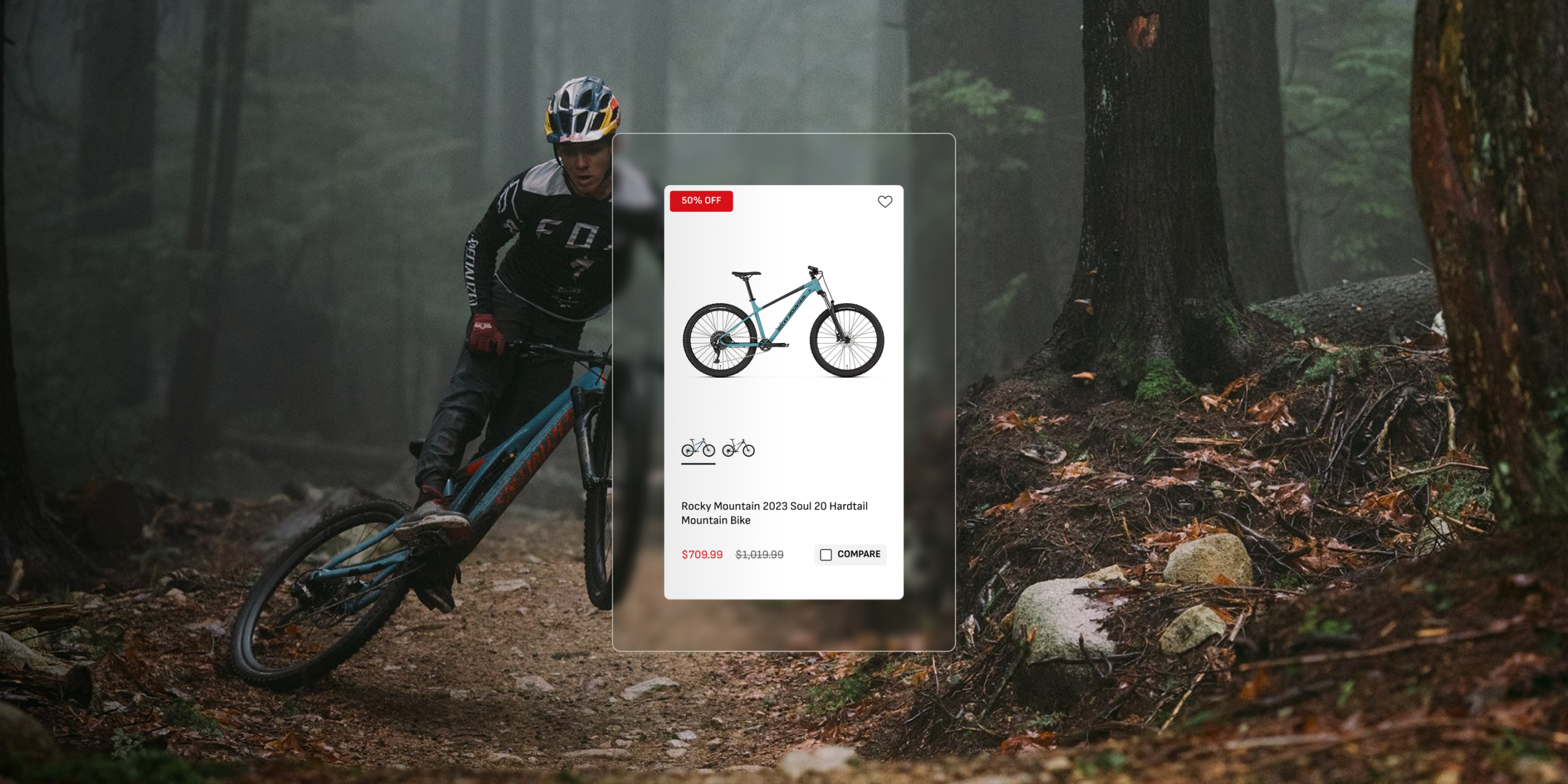
- Custom filtering. Bikes are a highly configurable category: frame size, wheel size, discipline, travel, drivetrain, price. The default Shopify filtering was not enough. We built custom filter logic tuned specifically to how Erik’s customers actually shop.
- Mobile first UX. The VTEX site had been built desktop first and retrofitted. We redesigned the experience starting from mobile, which now accounts for the majority of their traffic.
- SEO continuity. Hundreds of legacy URLs needed to map cleanly to the new structure. We built a redirect plan and validated every high traffic path before launch.
Technical approach: architecture and performance
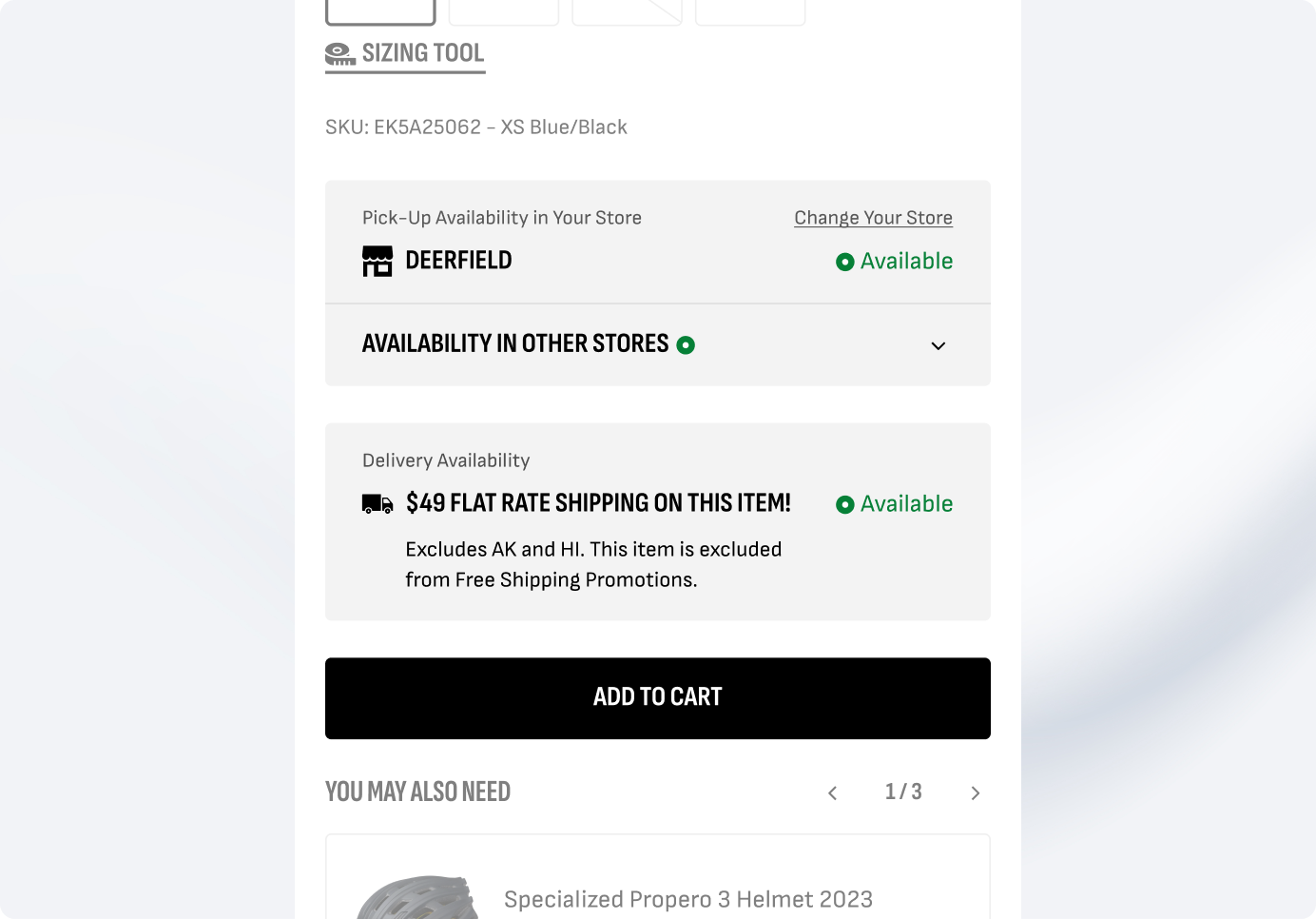
We built the new site on a lean Shopify theme foundation with asset and script management that kept the critical rendering path as short as possible. Third party scripts were audited ruthlessly. Images moved to Shopify’s CDN with responsive sizing. Fonts and icons were subsetted.
The result is a site that loads fast even on a bike shop’s typical mobile visitor, who is often researching from a trailhead on a spotty connection.
The results
Post launch, Erik’s Bikes saw three numbers that mattered: a 27 percent conversion lift, a 40 percent faster checkout experience, and a 50 percent page speed improvement. Those numbers do not happen from platform choice alone. They come from the platform unlocking the customer experience work that was previously too expensive to ship.
Lessons learned
A few things stood out from this project that apply to any VTEX to Shopify Plus migration.
- Start with data. Map your VTEX schema to Shopify’s before you quote the project. Data surprises are where migrations blow their budgets.
- Do not rebuild the old site. A migration is the one chance to rethink structure, UX, and filtering without political overhead. Take it.
- Treat redirects as a deliverable. SEO loss in the first months post launch is the most common complaint after a replatform. A clean redirect map prevents it.
- Audit the app stack. On VTEX you probably have custom apps doing things Shopify handles natively. Prune aggressively before rebuilding.
VTEX merchants do not leave because the platform does not work. They leave because it is slower and more expensive to iterate on than Shopify Plus, and iteration is what wins in ecommerce now. If that is where you are sitting, the move is worth modelling.
We’ve Done This Before

Erik’s Bike Board & Ski
VTEX to Shopify Plus 2.0 migration with custom filtering, mobile-first UX, and a 27% conversion lift for a cycling retailer.
View Case StudyBook a Migration Consultation
If you are running on VTEX and weighing a move, we will walk through data, logic, SEO, and timeline before anything gets quoted.