Accessibility, Without the Excuses
- 5,114 ADA digital accessibility lawsuits were filed in 2025; ecommerce was nearly 70% of them.
- WCAG 2.1 Level AA is the practical benchmark courts rely on.
- Accessibility overlays and widgets do not protect you; 22.6% of 2025 lawsuits targeted sites using them.
- Accessibility is a code level discipline, not a checkbox. It is also a UX win for every customer.
ADA lawsuits against ecommerce stores are no longer rare. In 2025, 5,114 digital accessibility lawsuits were filed across federal and state courts in the US, and nearly 70 percent of them targeted ecommerce. Shopify stores are in the bullseye along with every other platform: lawsuits hit Shopify, WordPress, Magento, Squarespace, and custom sites alike.
The good news is that accessibility is a solvable problem. The less good news is that most stores approach it the wrong way. Here is what WCAG actually requires, where Shopify stores most commonly fail, and what it takes to build a store that is accessible by design.
Why accessibility matters right now
There are three reasons to care, in order of how often we hear them from clients.
Legal risk. Lawsuit volume is up 37 percent year over year. Settlements typically run $5,000 to $75,000, plus attorney fees and remediation costs. Some cases have gone much higher. And 45 percent of 2025 lawsuits targeted companies that had already been sued at least once, which means a first settlement is not the end of it if the underlying code is not fixed.
Audience reach. About 1.3 billion people globally live with a disability that affects daily life and online access. That is 16 percent of the world’s population. An inaccessible store is a store that actively excludes them.
Customer experience for everyone. Good accessibility overlaps heavily with good UX. Keyboard navigation helps power users. Color contrast helps anyone on a phone in direct sunlight. Clear form labels help every customer who has ever been confused by a checkout.
WCAG 2.1 Level AA in plain language
WCAG 2.1 Level AA is the practical benchmark. It is the standard courts reference, the standard the US Department of Justice cites in Title II enforcement, and the standard the European Accessibility Act aligns with. It covers four principles:
- Perceivable. Content must be presentable in ways users can perceive. Alt text on images, captions on video, sufficient color contrast, text that can be resized.
- Operable. Users must be able to navigate and operate the interface. Full keyboard navigation, enough time to read and interact, no content that triggers seizures.
- Understandable. Content and operation must be predictable. Clear language, consistent navigation, error messages that explain what to fix.
- Robust. Content must work across current and future assistive technologies. Proper semantic HTML, valid ARIA where needed, no reliance on specific browser quirks.
Common Shopify accessibility failures
These are the issues we see most often on Shopify stores, including ones that started with accessible themes.
- Missing alt text on product images, especially bulk imported catalogs.
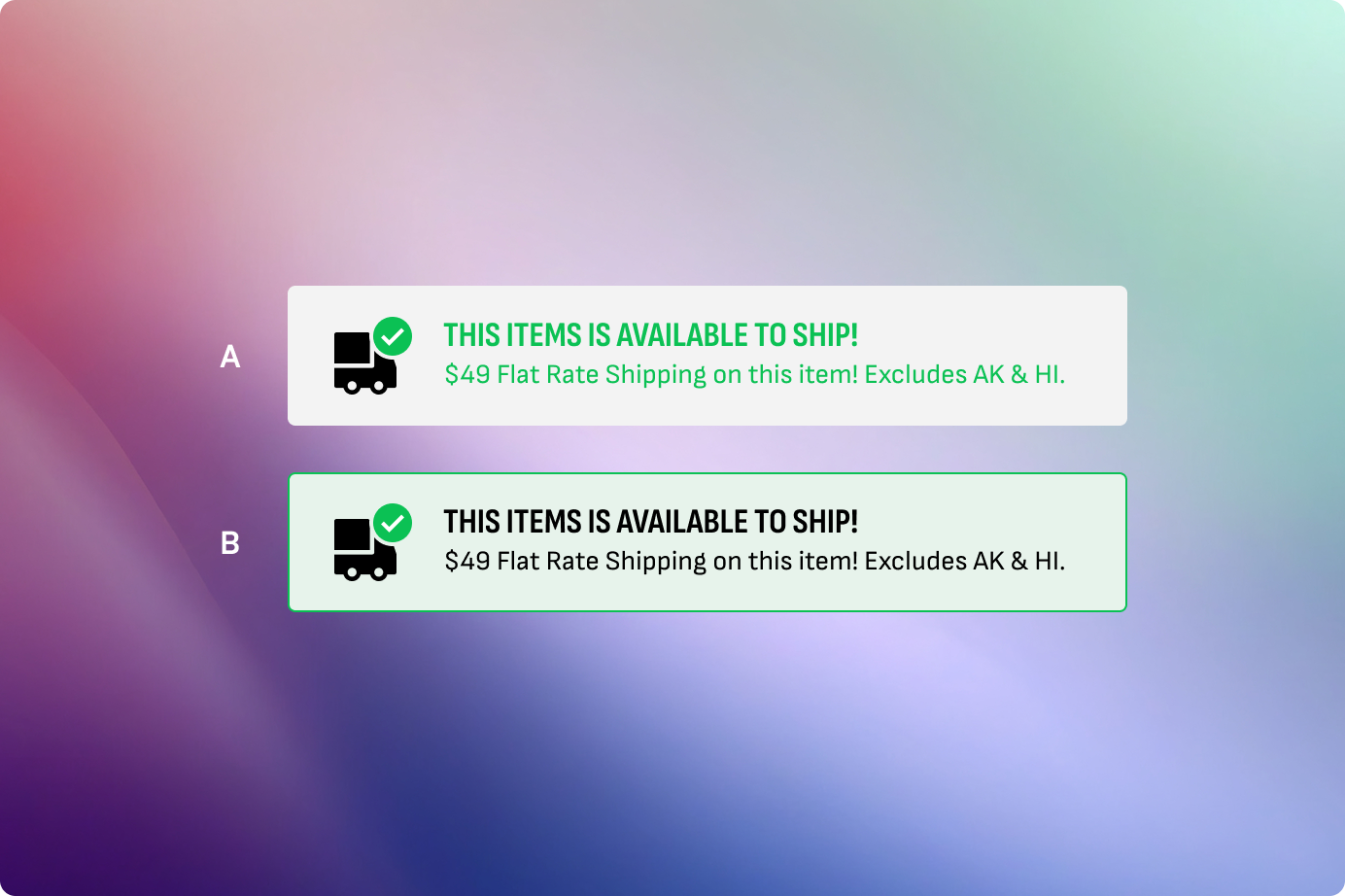
- Color contrast failures on buttons, badges, and sale prices.
- Keyboard traps in modals, quick views, and popups — the customer cannot tab out without a mouse.
- Form fields without proper labels, or labels that are visual only with no programmatic association.
- ARIA attributes used incorrectly, sometimes making things worse than no ARIA at all.
- Third party apps that inject inaccessible widgets. Review stars, pop ups, cart drawers, and upsell carousels are frequent offenders.
- Focus states removed for ‘aesthetics,’ leaving keyboard users unable to see where they are.
The checkout is where this matters most. A 2025 study found only 11 percent of ecommerce checkouts meet minimum WCAG standards.
Why overlays and widgets are not the answer
Accessibility overlays and widgets are marketed as a quick fix. The data tells a different story. In 2025, 22.6 percent of ADA lawsuits targeted sites that had accessibility widgets installed. The Federal Trade Commission reached a $1 million settlement with one of the largest overlay companies for misleading marketing.
Courts do not treat overlays as compliance. They treat the underlying code as compliance. Fix the code.
How port80 builds accessible stores from the ground up
We treat accessibility the same way we treat performance or SEO: a discipline baked into the build, not a retrofit. Semantic HTML, proper heading hierarchy, programmatic labels, keyboard navigation, and color systems that meet contrast requirements at the design stage.
For clients who inherit an inaccessible site, we start with a full code audit using tools like axe, WAVE, and Lighthouse, then prioritize issues by legal risk and user impact. The fixes go into the same sprints as feature work so accessibility never becomes a separate project that slides.
Your actionable starting checklist
- Run axe and WAVE on your homepage, a product page, and your checkout.
- Try to navigate your site with keyboard only. If you cannot reach every interactive element, you have a keyboard trap.
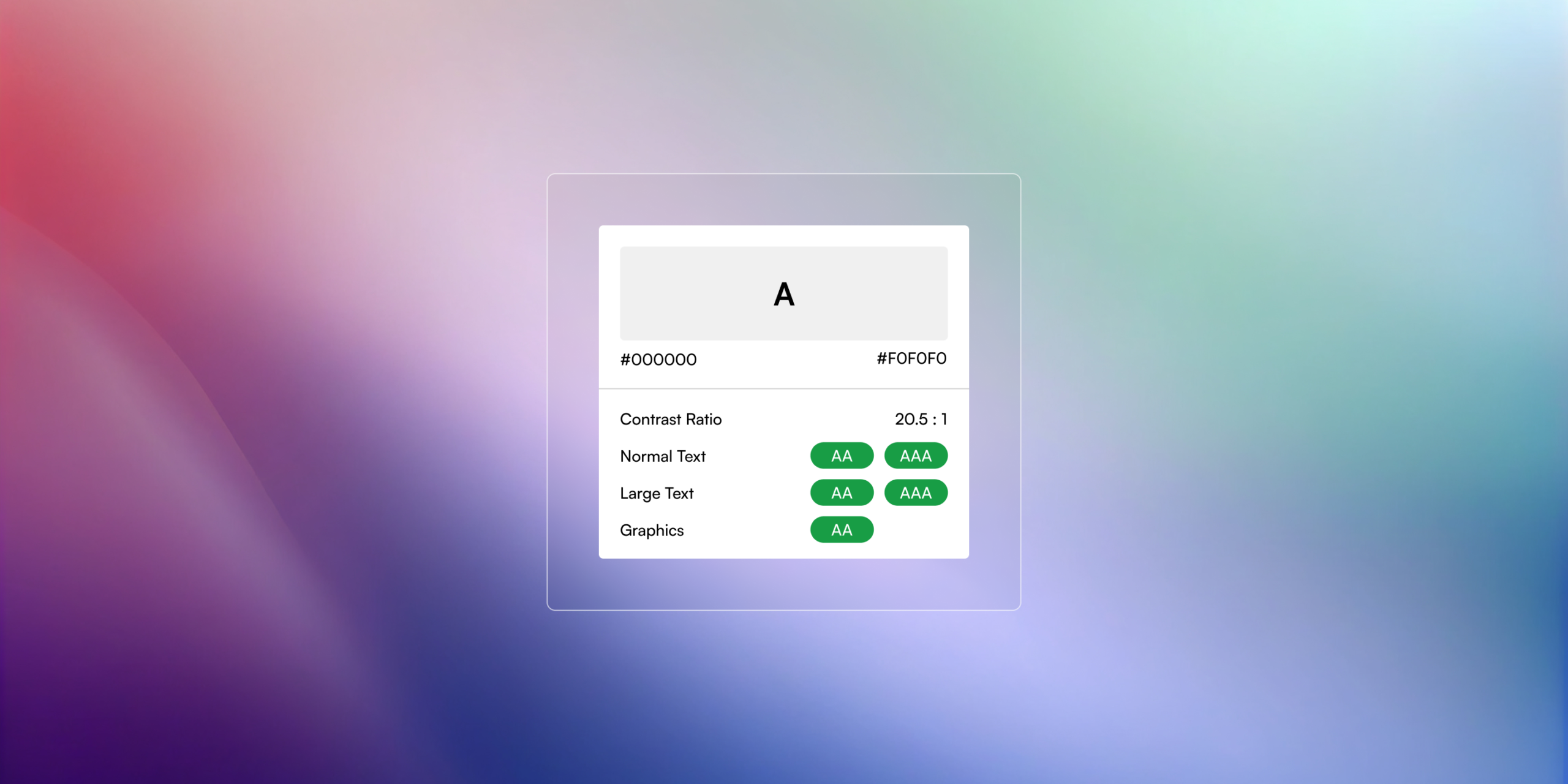
- Check color contrast on your buttons and CTAs against Level AA standards (4.5:1 for normal text, 3:1 for large text).
- Audit alt text on your top 50 product images.
- Review every Shopify app for accessibility violations before installing it.
If the last time you thought about accessibility on your Shopify store was ‘we installed that widget, right?’, now is the time. Lawsuits are rising, the fixes are real, and the upside is an experience that works for a much bigger audience.
We’ve Done This Before

Surplus City
Shopify Plus 2.0 migration with streamlined inventory, modernized UX, and scalable operations for a liquidation retailer.
View Case Study
Hudson Grace
Magento to Shopify 2.0 migration with subscription purchasing, store pickup, and optimized performance for a premium retailer.
View Case Study
Carriage Trade
Boutique Shopify transformation with appointment scheduling, loyalty incentives, and concierge-grade luxury retail UX.
View Case StudyBook an ADA Compliance Consultation
We will run a proper audit against WCAG 2.1 AA, prioritize the issues by legal and UX impact, and scope the remediation.