Here’s the deal
- A discount can win a sign-up without proving the recurring offer fits.
- Quantity, timing and control shape the experience after checkout.
- Judge the offer through later orders and the cost of serving them.
Picture the next subscription delivery arriving while the last one is still sitting in the cupboard. You like the product. You might even like the brand. But now there’s another box to find room for, and the convenience you signed up for has become something else to manage.
From the merchant’s side, that delivery may look like recurring revenue doing exactly what it should. From the customer’s side, it can be the moment they start looking for the cancel button. A subscription has to keep making sense in someone’s life after the appeal of the first order has worn off.
The discount gets the first yes
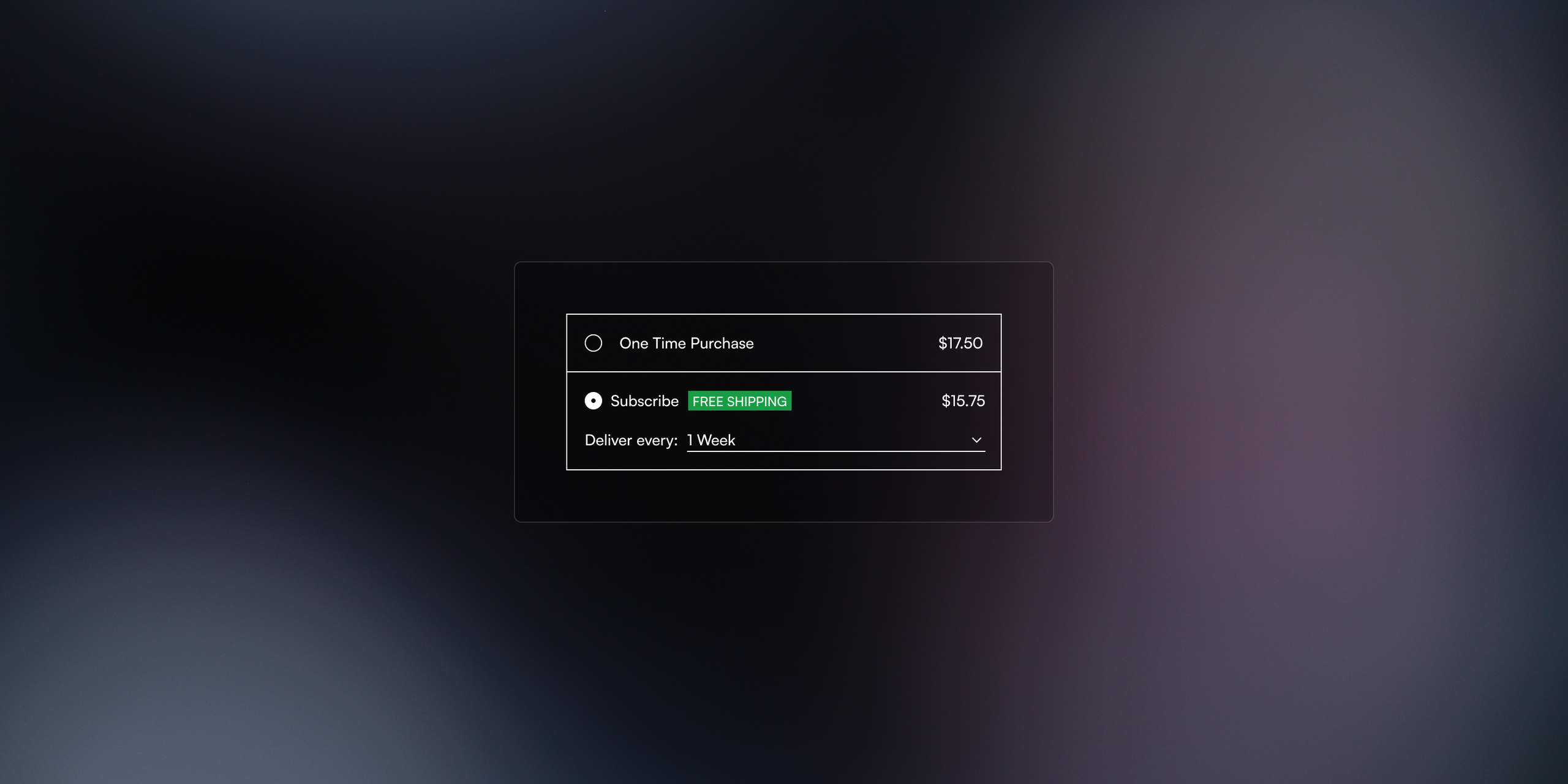
A lower price is an easy benefit to put beside a subscription option. It gives the shopper an immediate reason to choose it and gives the business a reassuring sign-up number. What it doesn’t tell you is whether that person wants the product again on the schedule you’ve offered. They may simply have made a sensible decision about today’s basket.
The stronger offer starts with a recurring need the customer already recognises. Perhaps they keep running out of something they use every day, or they want a regular selection without choosing it themselves. Those are different promises. One is about removing a chore; the other is about enjoying discovery. The page should make it clear which experience the customer is buying.
Your billing schedule isn’t their routine
People don’t use products at a perfectly consistent rate. Guests arrive, holidays happen and a favourite item gets used more quickly than expected. Even a customer who chose carefully can find that the original quantity or interval no longer suits them. That doesn’t necessarily mean they’ve lost interest in the product.
It does mean the initial choice deserves more help than a list of delivery frequencies. If someone can’t tell how long a bag, bottle or box is likely to last, they’re guessing at the commitment. Guidance based on ordinary use can make the offer easier to understand, while leaving room for customers whose habits differ.
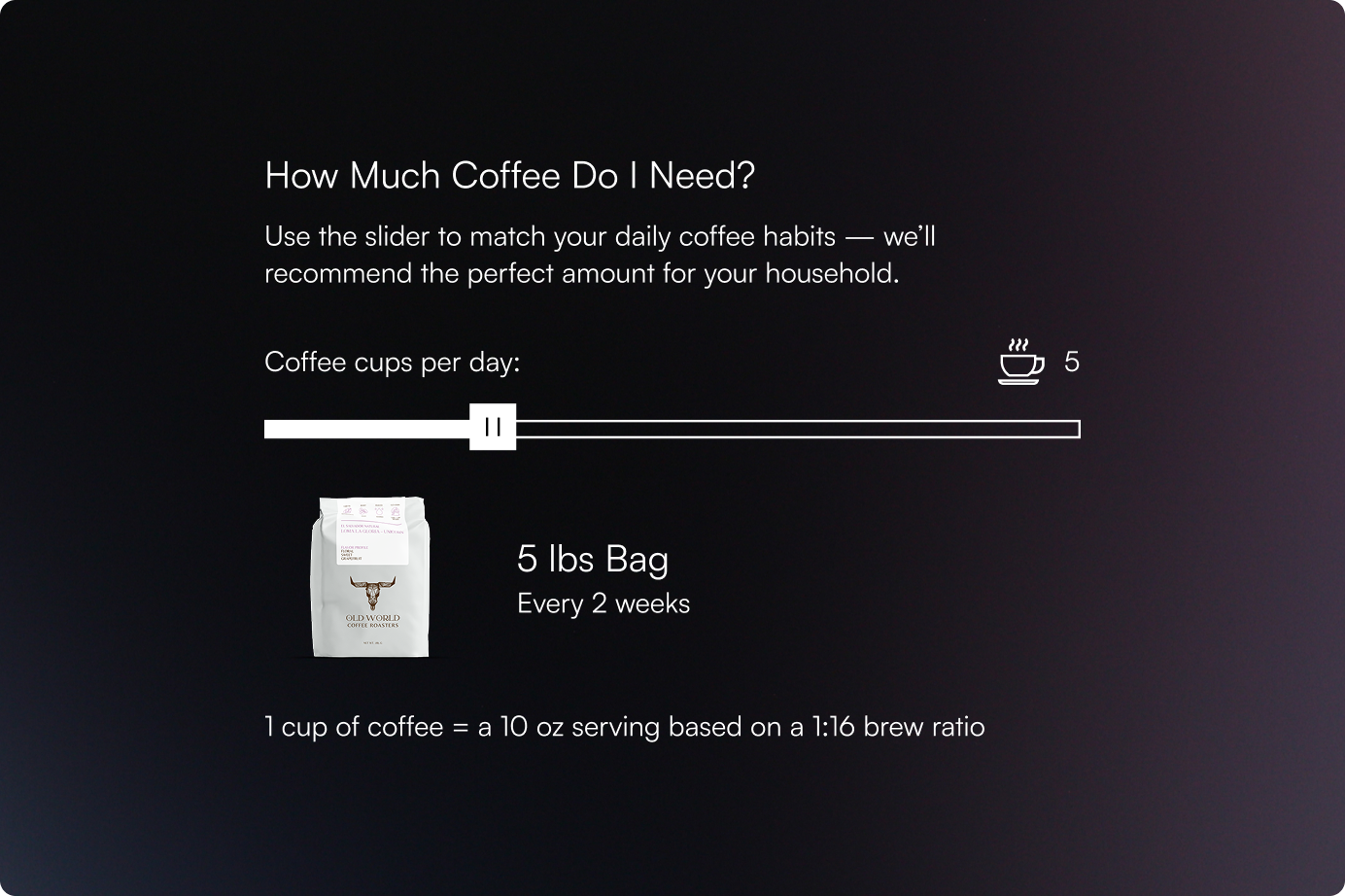
There’s a business reason to take that uncertainty seriously. When the first selection fits poorly, your team may end up explaining, changing or refunding an order that looked uncomplicated at checkout. A little more clarity before sign-up can be more useful than another incentive to persuade someone through it.
The subscription page should therefore answer the questions a careful shopper would ask: what arrives, what it costs over time, when the next order happens and how they can change their mind. Those answers belong near the decision, in language the customer can understand without opening three help pages.
Let the relationship change
A customer who wants the product later is telling you something different from a customer who never wants it again. If the experience treats those situations the same way, the business loses useful information and the customer has to work around the system. Flexibility is part of the offer, not simply an account-page detail.
The right controls depend on what you sell and what your subscription setup supports. A later delivery, a different quantity or a change of product may keep the arrangement useful, but each needs to work beyond the screen. The people preparing the order must receive the change in time, and the customer needs to know when it takes effect.
Making cancellation difficult can obscure the problem without solving it. A subscription that still charges successfully isn’t necessarily one the customer is happy to keep. Clear choices and a manageable account experience give you a better chance of understanding why people stay, adjust or leave.
A full order book can still hide a weak offer
There’s also a promise to keep on your side of the relationship. The recurring order has to cover its product, packing, delivery, discount and service costs. Look at customers through later orders, not just sign-up, and compare what it takes to serve them with what the offer earns. A busy packing bench is encouraging; it isn’t the whole picture.
The useful question is whether the next delivery still feels welcome. If it does, you have the beginnings of a relationship worth building on. If it doesn’t, a different quantity, a clearer offer or a more forgiving schedule may do more than another subscription promotion. The aim is to become one less thing the customer has to remember, rather than one more thing they need to cancel.
We’ve Done This Before
Old World Coffee Roasters
Shopify 2.0 rebuild with subscription-centric PDPs and elevated brand storytelling for a specialty coffee roaster.
View Case Study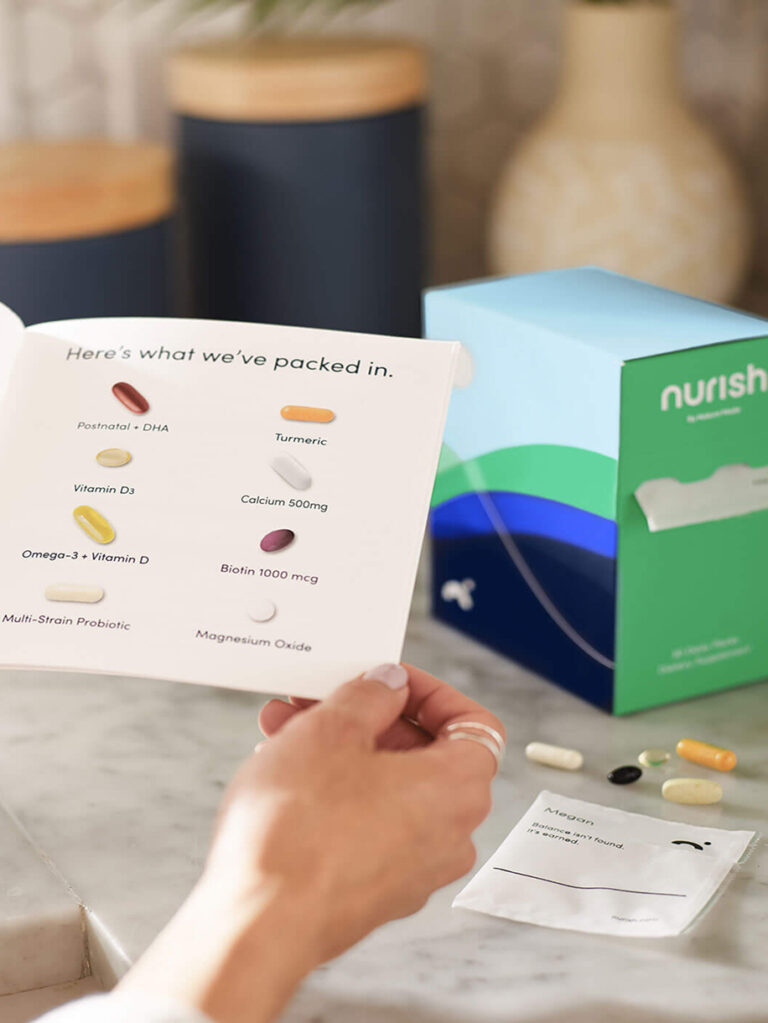
Nurish by Nature Made
Advanced Shopify development that achieved custom requirements other agencies said couldn't be done on the platform.
View Case StudyWould your customers welcome the next delivery?
Let’s look at how your subscription offer carries through from the first choice to ongoing orders – and where the experience could make it easier to stay.